wasp life cycle canada
Wasps are solitary species. Each wasp uses a horn as its escape tunnel chewing an exit hole through the end.
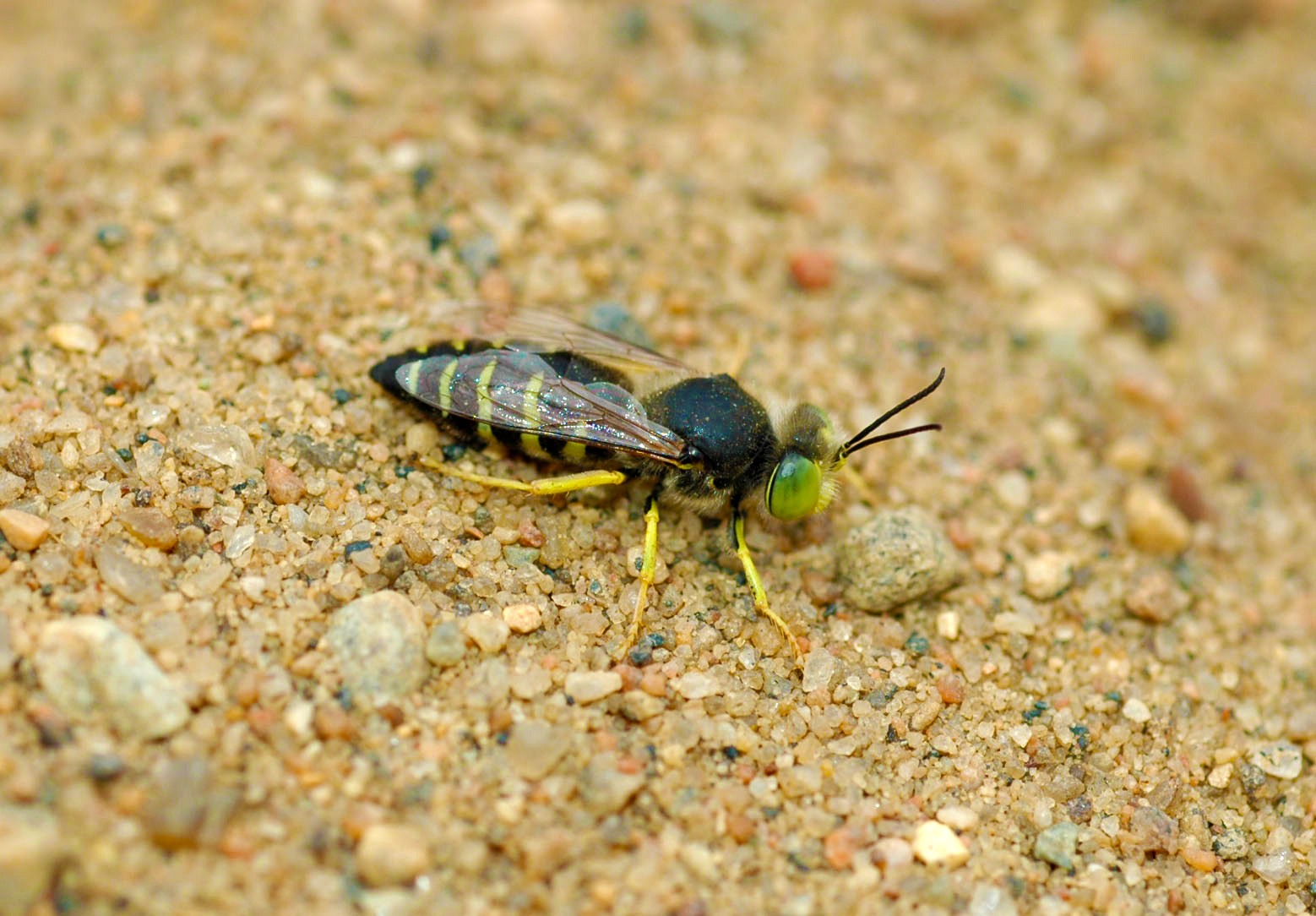
Sand Wasp Space For Life
The life cycle of social wasps.
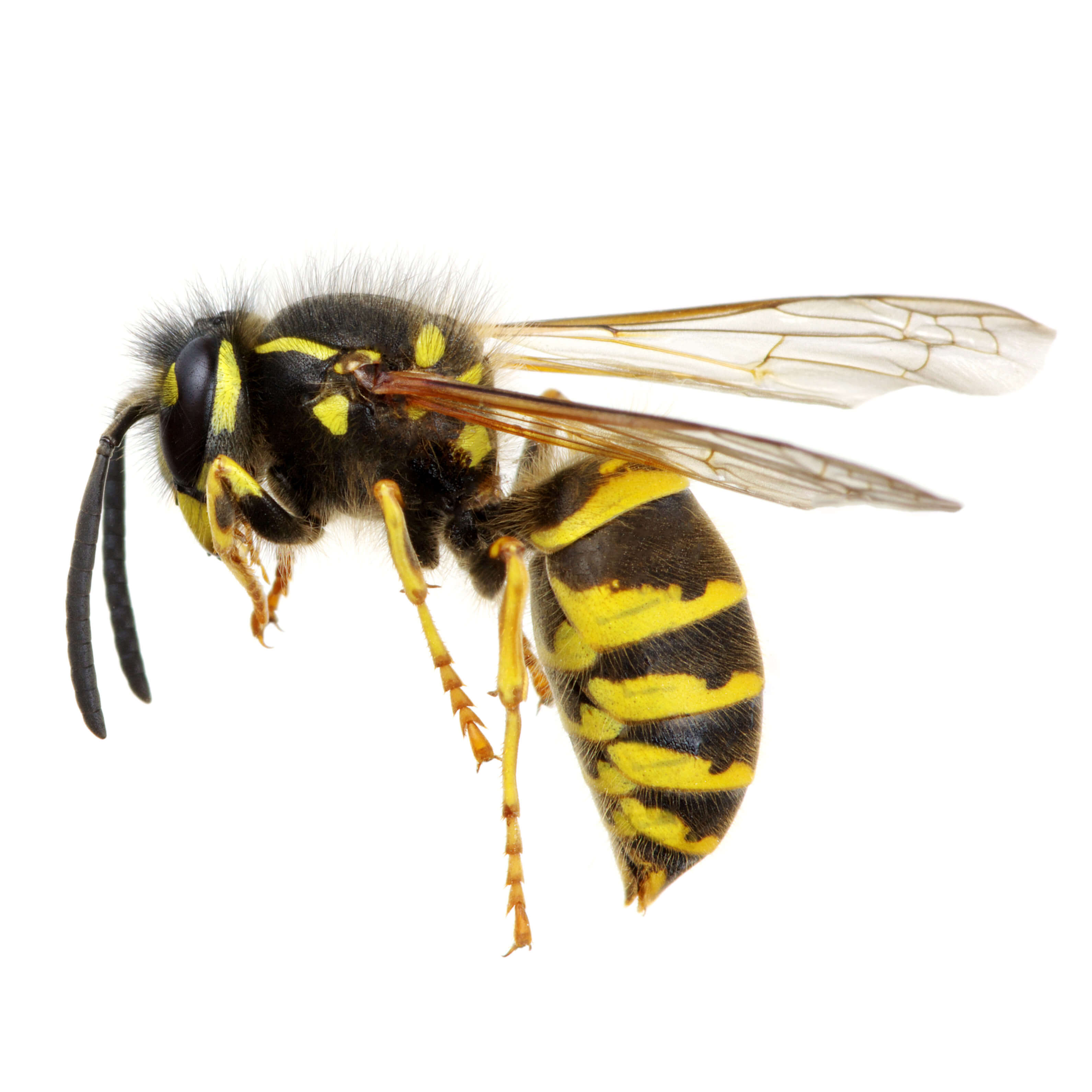
. Egg laying pupation and colony expansion - Once. Yes these wasps kill cicadas1. A paper wasp colony usually lasts around six to seven months.
Their populations are characterized by colonies within papery nests either above or below ground composed of hexagonal cells for their larvae. Social wasps are common in urban and rural areas throughout North America and are the most common stinging menace in many Canadian cities. Bees Life Cycle Stages.
After a little over a month roughly 40 days larvae will complete this stage of their life cycle and become adult wasps. The solitary wasps life cycle is too varied to be discussed here in a generic fashion. Males will emerge in fall and mate with new young queens.
The female wasp then hunts for small insects in the Tettigoniidae or long-horned grasshopper family. The fertilized female wasp queen hibernates during the winter season. Once these eggs have been laid the existing queen will not lay any further eggs.
Hosts are usually killed and commonly include beetles flies butterflies moths and true bugs. If the queen dies prematurely the role can either be taken over by the most dominant worker or a sister of the queen that was unable to establish its own nest. Her young hatch and devour their host pupate and emerge to begin the cycle again.
Several Braconids attack aphids and have been used in Canada as biological control agents. The queen bee is the one deciding on the sex of all her offspring and is the only one laying eggs. Adult male wasps and workers die in the winter largely for lack of food.
Large numbers of female wasps emerge from the mature woody galls in late March through mid-April. Similar to most insects the life cycle of bees also start with the eggs. The queen wasps emerge after their hibernation period is over and start building a nest for themselves.
Potter Wasp Life Cycle. Outdoor gatherings are often visited by wasps because of their attraction to sweet foods but also to protein food earlier in the season. HibernationDiapause - Newly hatched queen wasps hibernate over the winter months in preparation for the coming spring.
Those females place tiny eggs into swelling leaf buds. New queens emerge in late autumn to find shelter for winter in buildings trees or debris. Like most insects the wasp goes through the four distinct life stages which are an egg larvae pupae and finally adult queen or worker.
Learn more about their cycle here. Detecting one the female inserts her long ovipositor through the wood and lays eggs in the larva. The wasp will carry the cicada to a burrow where it will place the cicada.
Adults of many species use flower nectar as an important food. The wasp will lay an egg under the left or right second leg of the cicada. Nest establishment - Queen wasps emerge from hibernation in the spring and find a location to establish a new nest.
The queen feeds larvae with captured insects. The Life Cycle of a Wasp. Each nest will produce around 10001500 new queens.
Cicada killer wasps are equipped with stingers and can unleash a powerful sting when bothered but they typically ignore people. As the nest reaches its maximum size towards the end of summerbeginning of autumn the queen will lay queen eggs and drone unfertilized eggs. Queen wasps hibernate in the winter before emerging in spring to build nests and lay eggs.
As males die after mating the last set of workers will die early fall. Female ichneumons can be seen wandering over tree trunks using their antennae to seek the larvae of wood-boring insects below the bark. The queen wasp chews wood materials and spits the remaining parts which is used for making the nest.
These colonies typically only last the spring and summer and are not used again. The Lifecycle of a Wasp. Let us see the different stages in a social wasps life cycle.
The wasp life cycle can be organised into four main parts. Life cycle from egg larva pupa - adult takes approximately seven weeks. The queen wasp builds small cells and lays 200 to 300 eggs in a day.
It works like this. 1 Queen lays Eggs. The adult female wasp will paralyze the cicada with her venomous sting.
Life Cycle of Wasp. New adults emerge from the nest late August. In spring they come out to make nests laying eggs in honeycomb-like cells.
She can dig about six nests with three to 10 tunnels in each making sure to cover the entrance with dirt when she leaves. The female wasp will dig tunnels into loose soil to prepare its nests. Fertilised queen wasps hibernate over the winter.
After the eggs hatch larvae emerge. The following is a typical paper wasp life cycle. Unlike bees wasps do not reproduce via mating flights.
However the entire life cycle is a bit complicated since not all bees play a single role after hatching. Potter wasp adults feed on flower nectar and collect small caterpillars to feed their young. The workers in the colony will later take over the nest building duties and collect food for the growing larvae in the spring and summer months.
There are hornets that can be much larger but not in the United States or Canada. Love them or loathe them wasps are a fascinating and hardworking species to watch. While queens will feed th e first eggs that hatch after those workers mature they will take on the duties of gathering food to feed the larvae.
As social wasps the pests live in colonies with one fertile egg-laying queen. Braconid Wasps are a very diverse family of internal or external parasitoids on other insects. Larvae overwinter in the soil and pupation occurs in the spring.
The Reproduction and Development Cycle of Wasps. The female wasp then lays an egg on the stored caterpillars. The queens that survive their hibernation wake up as the weather warms and look for a place to build their new nest.
The most common social wasps are paper wasps yellow jackets and hornets. Here are 10 facts about Cicada Killer Wasps for you to enjoy. The queen hibernates and if she makes it through the winter begins a new nest afresh once spring rolls around.
However in areas with mild. The caterpillars are paralyzed with the wasps sting and piled into the brood cell which is the compartment in which the wasp larvae develops. The male deposits his sperms in the queen wasp.
The reproduction involves a fertile queen and a male worker wasp who mate. Young queens will look for a new place where they can hide for the winter and the entire cycle starts again. Larva is large and noisy.
Adult cicada killer wasps emerge in the summer months. Wasp nests are not reused each year so there are no active wasp nests in the Spring. Like many wasps and hornets bald-faced hornets build their nests.
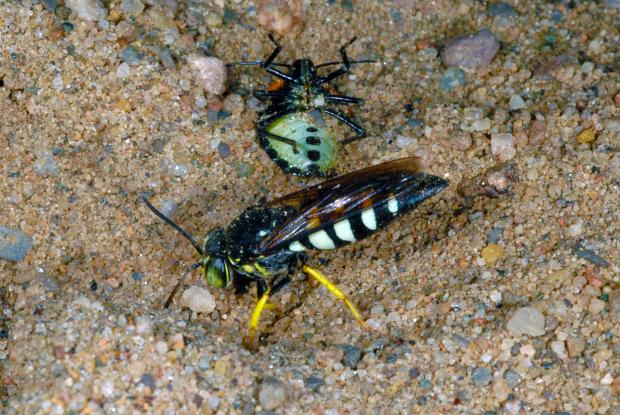
Digger Wasps Space For Life
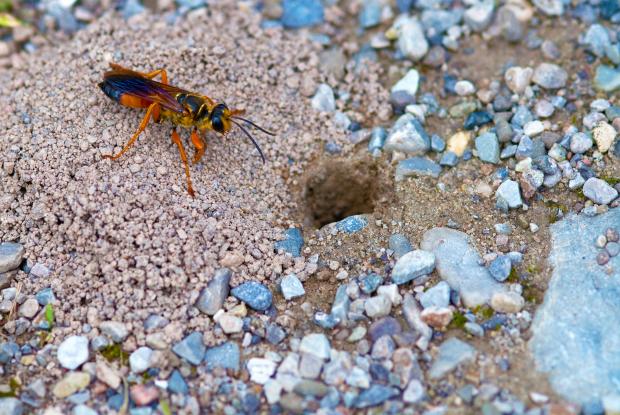
Sphecid Wasps Space For Life

Potter Wasp Life Cycle Eumenes Fraternus Bugguide Net

Parasitic Wasps Part 1 Pests Diseases Canna Canada
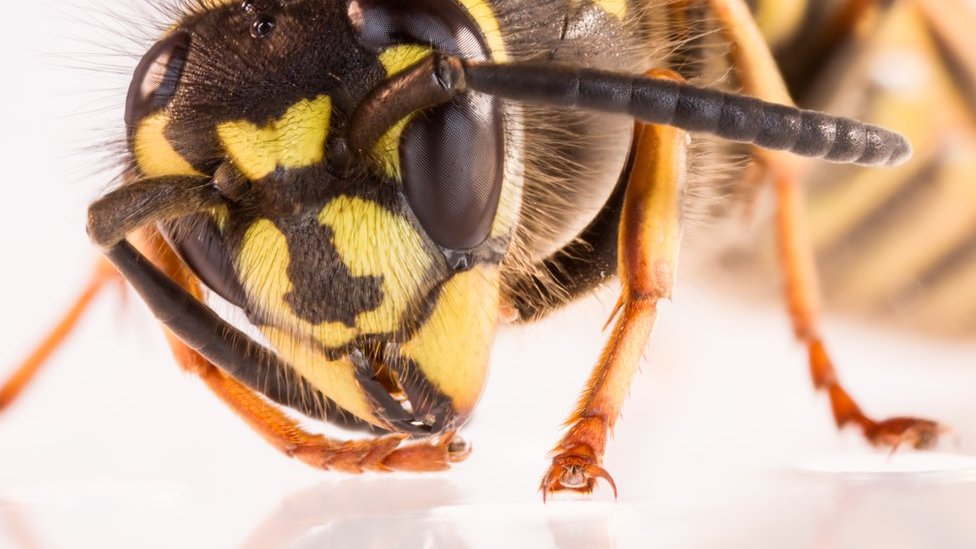
What S Really The Point Of Wasps Bbc News
Wasps Facts Identification Control Prevention

Fig Wasps

Wasps Life Cycle Wasps Seasonality Information Best Bee Brothers

Wasp Exterminators Bee Hornet Wasp Identification Pest Library

Bees Hornets Wasps Pest Control Canada

Potter Wasp Life Cycle Images Eumenes Bugguide Net
Bees Hornets Wasps Pest Control Canada
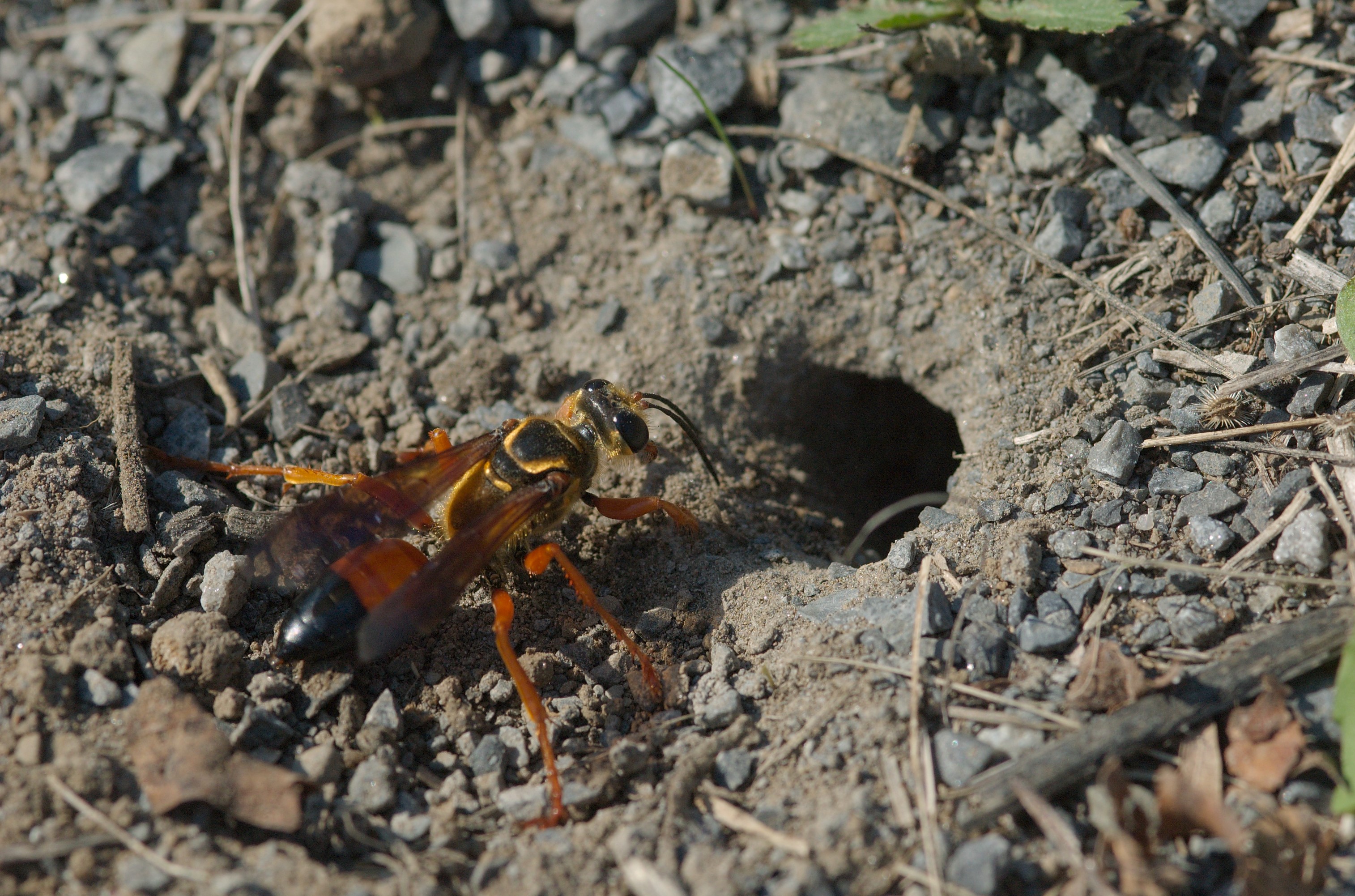
Great Golden Digger Wasp Space For Life
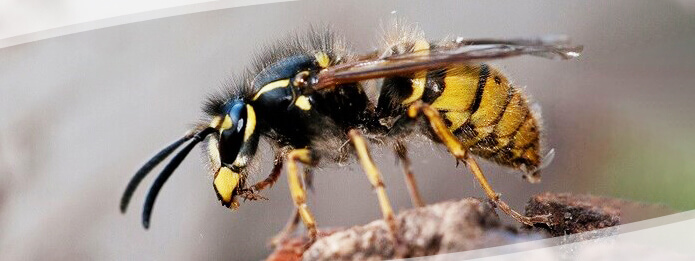
Killing The Queen Wasp Truly Nolen
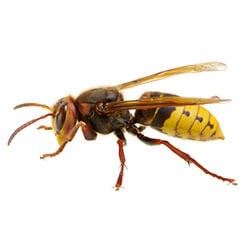
Hornets Facts Identification Control Prevention
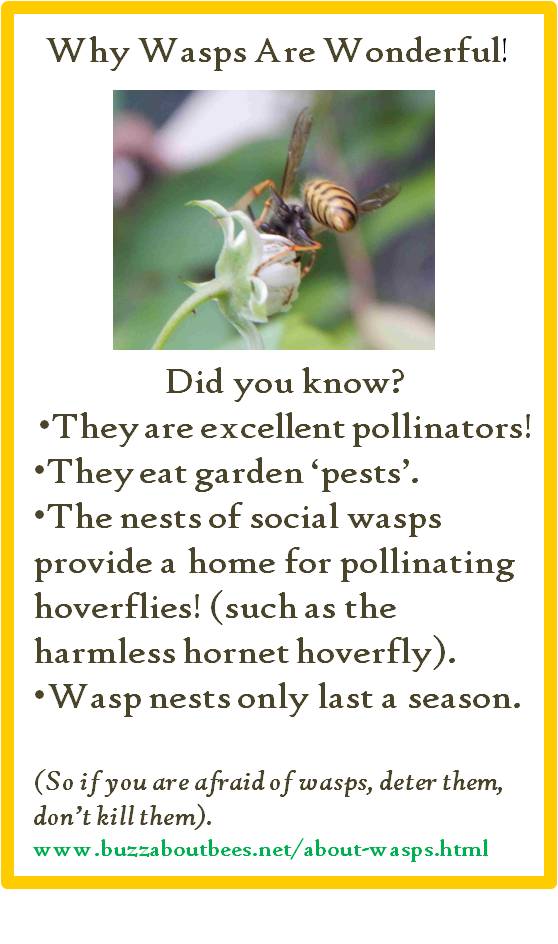
Wasp Life Cycle

How To Kill Wasps Hornets Yellow Jackets
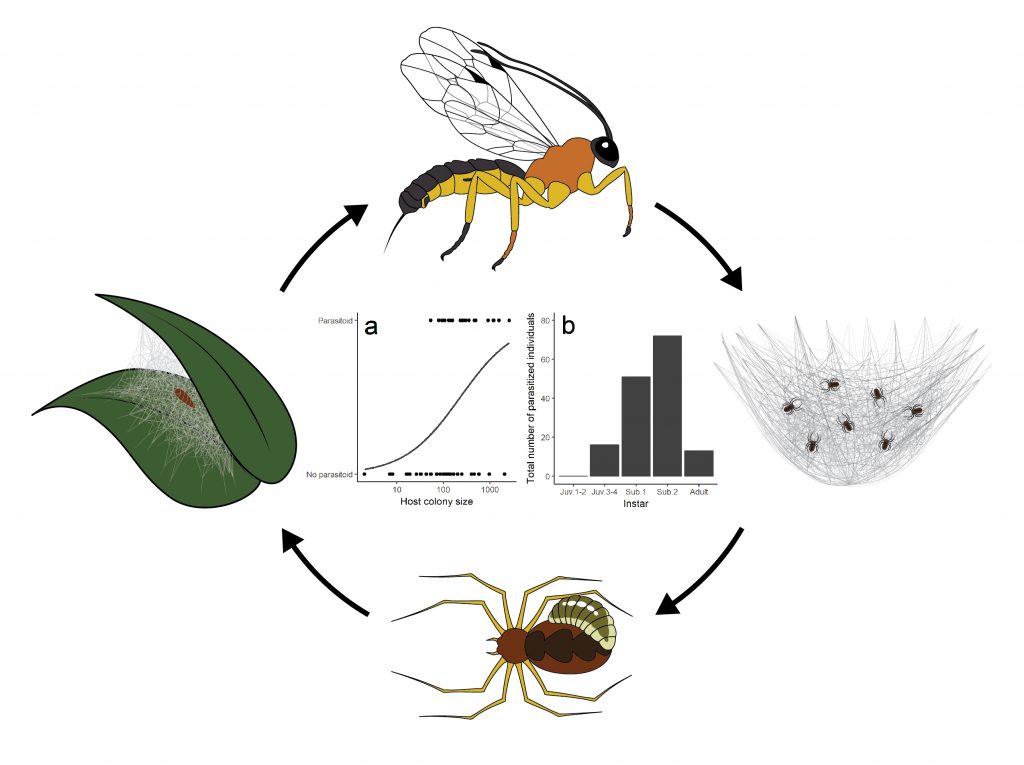
Newly Discovered Wasp Turns Social Spiders Into Zombies

Megarhyssa Macrurus Wikipedia